.png)
.png)
.png)
.png)
.png)
.png)
.png)
.png)
.png)
.png)



Helping Each Other can Make World Better
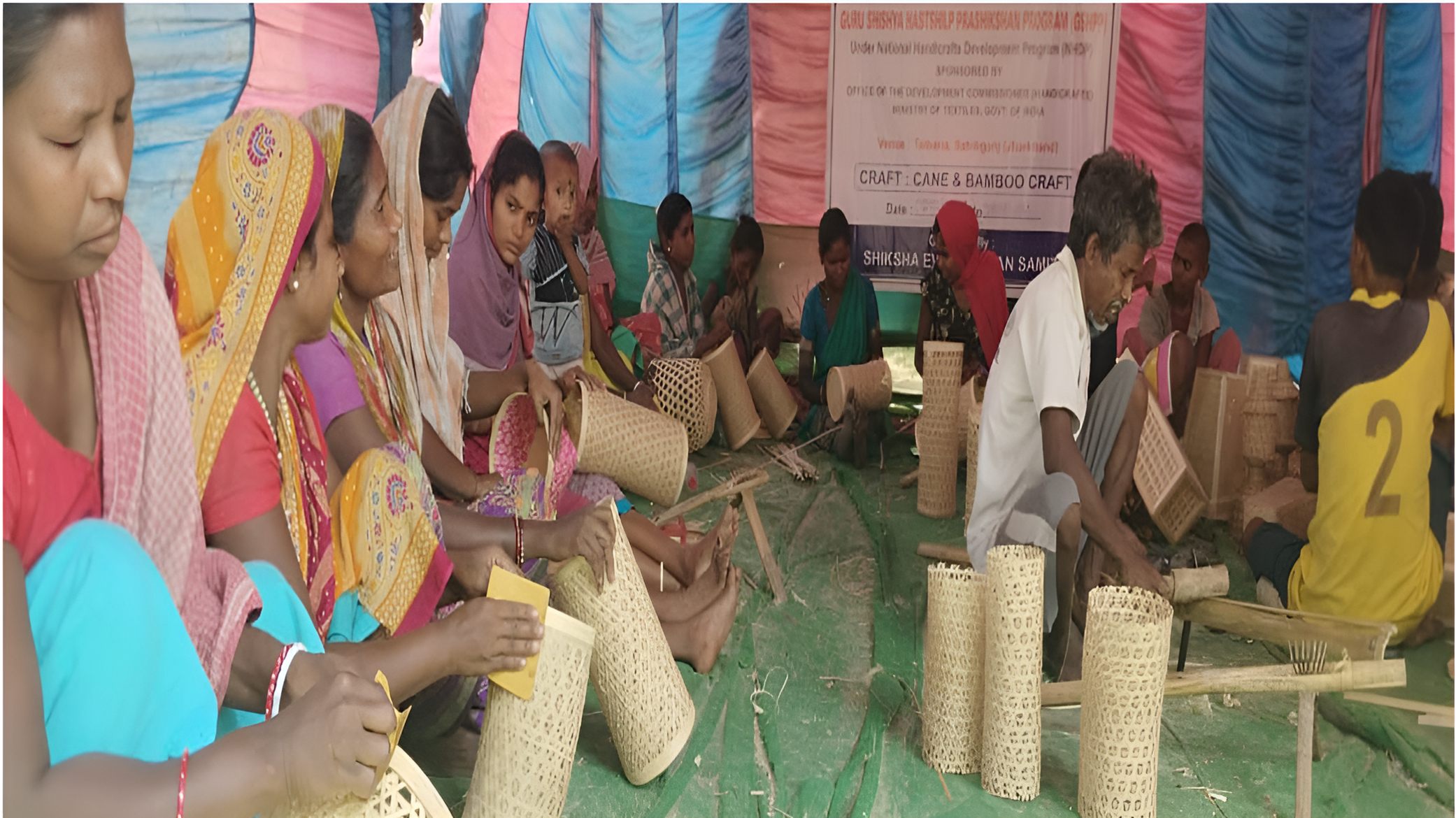
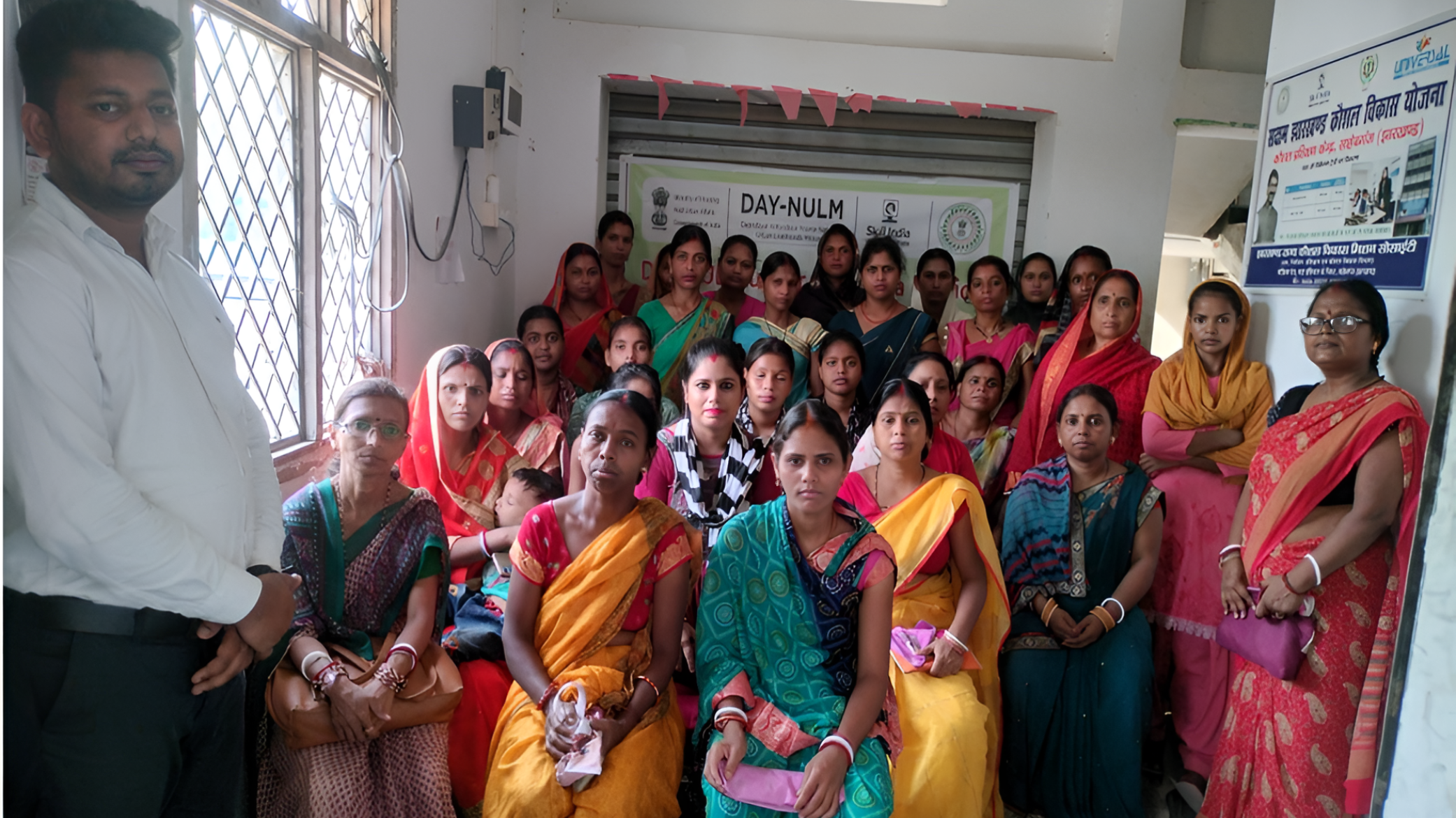
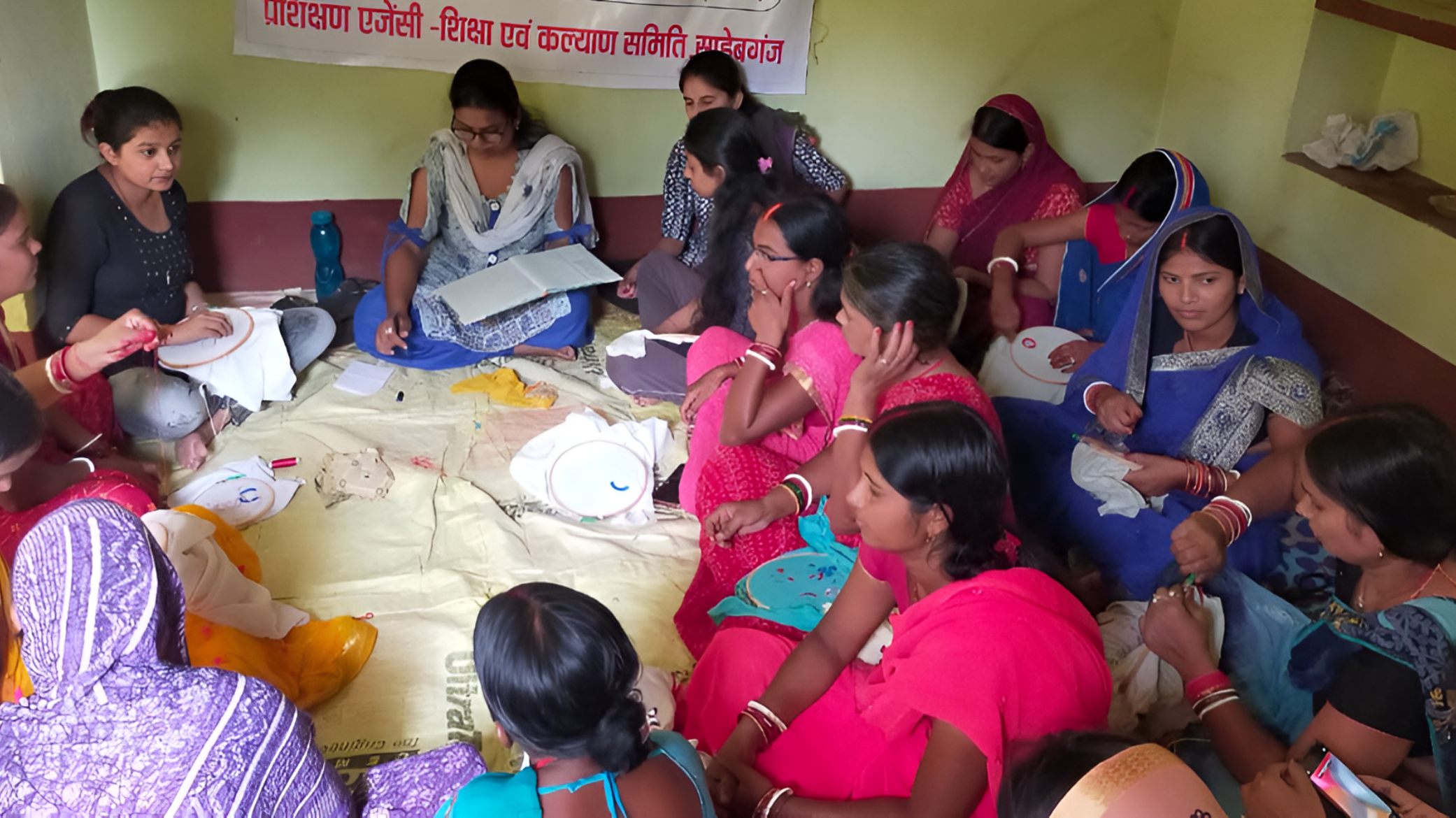
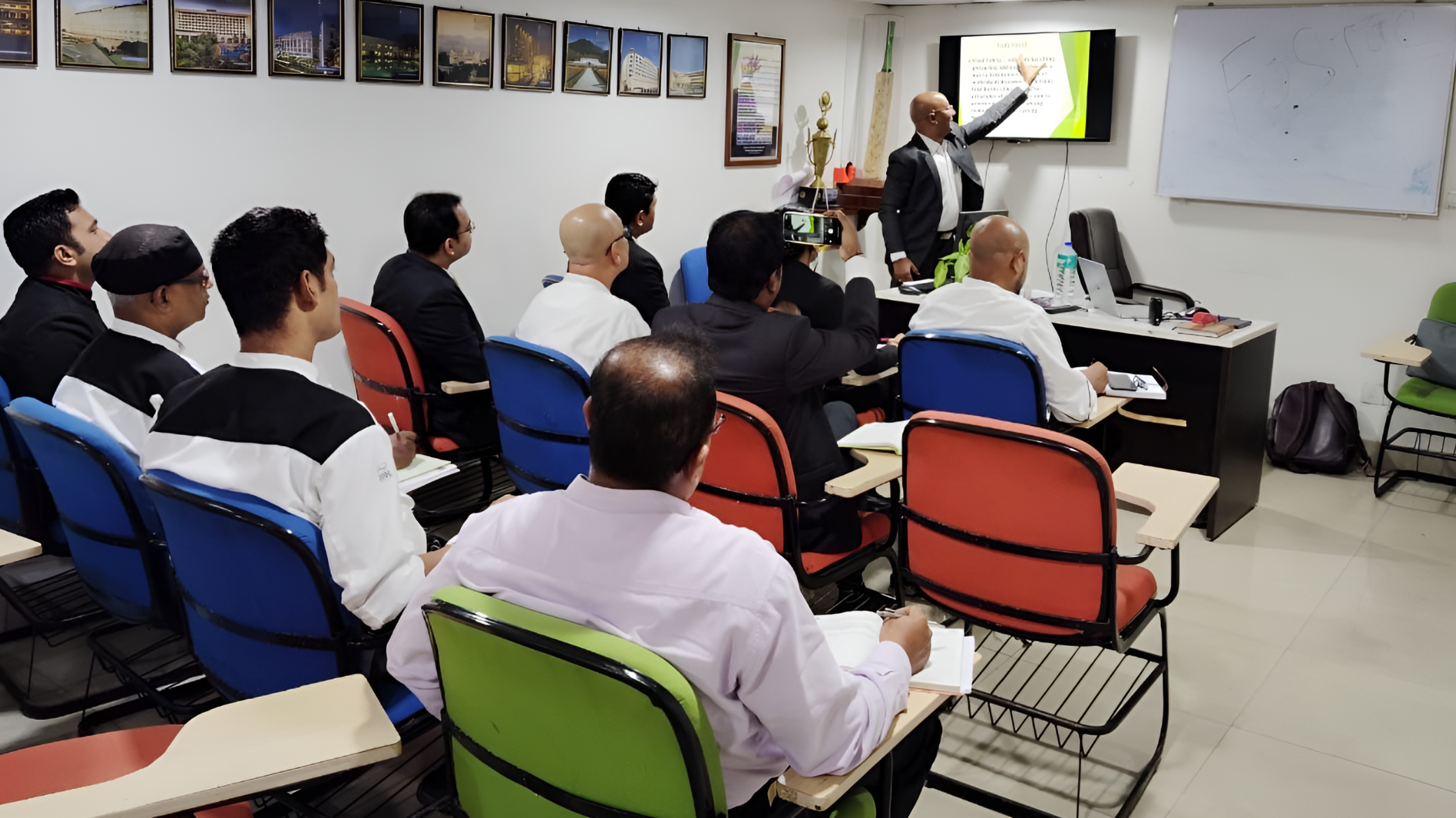
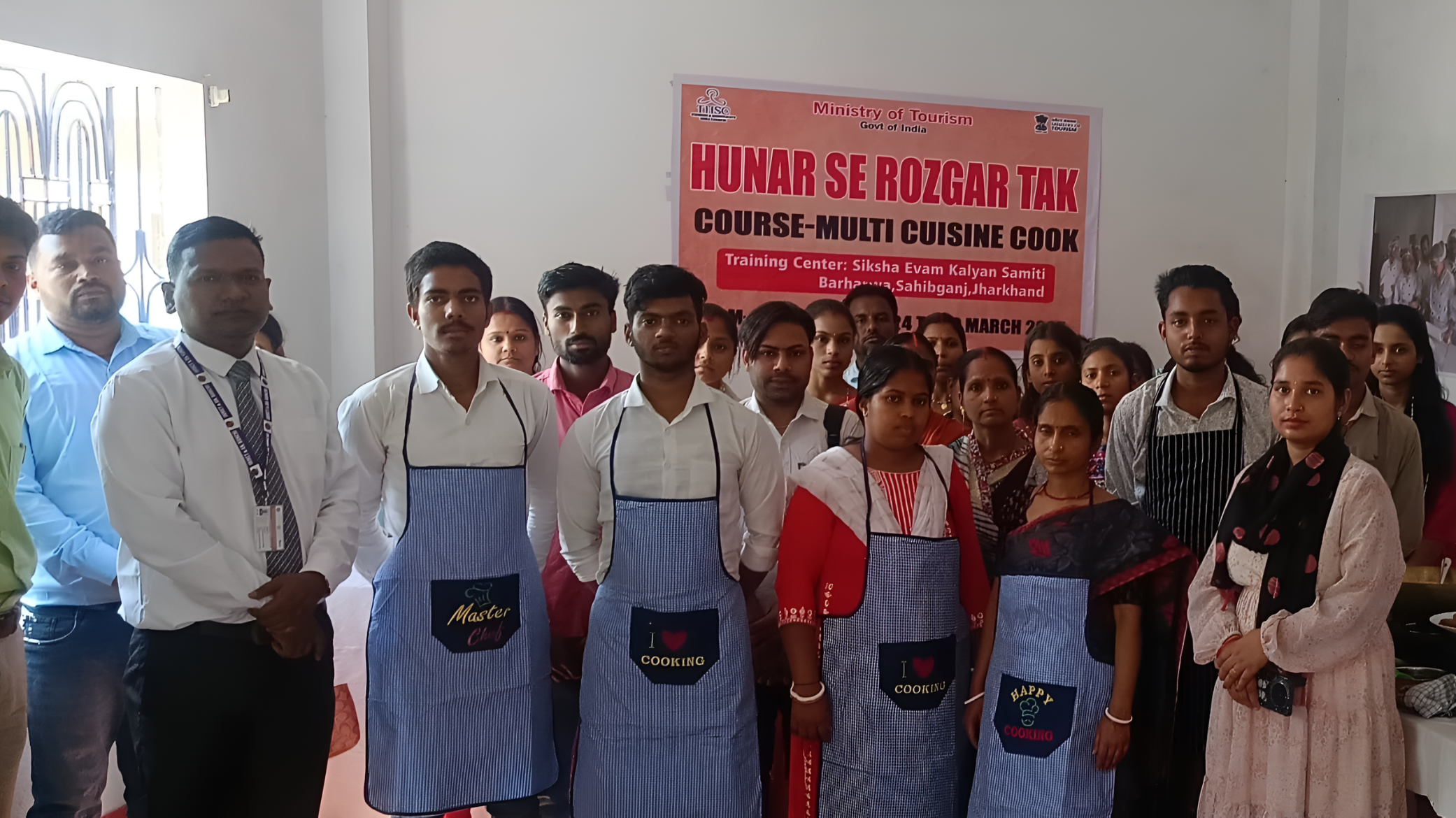
Shiksha Evam Kalyan Samiti is a well-established name in the field of Skill Development and Vocational Training, especially in the industrial belt of Eastern India. We primarily work with economically disadvantaged and tribal populations, aiming to uplift their lives through quality education and employability-focused training.
Start Helping Team
- There are many variations of solve


Inspiring and Helping for Better Lifestyle


 2.M
2.M
 Health
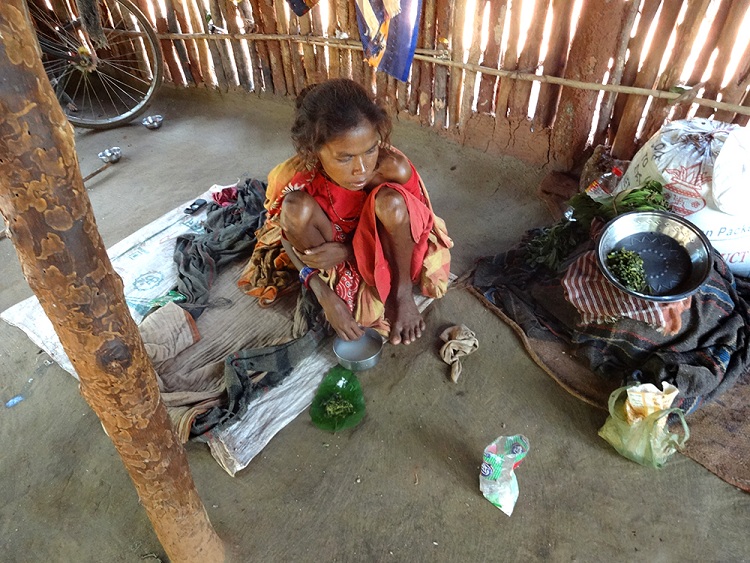
Donate for the betterment of the life of the tribal peoples,
Donate nowCustome Donate Now

Support Kids by Raising Valuable Donations
 450+
Testing
450+
Testing
Charitics Information Of Event Schedule
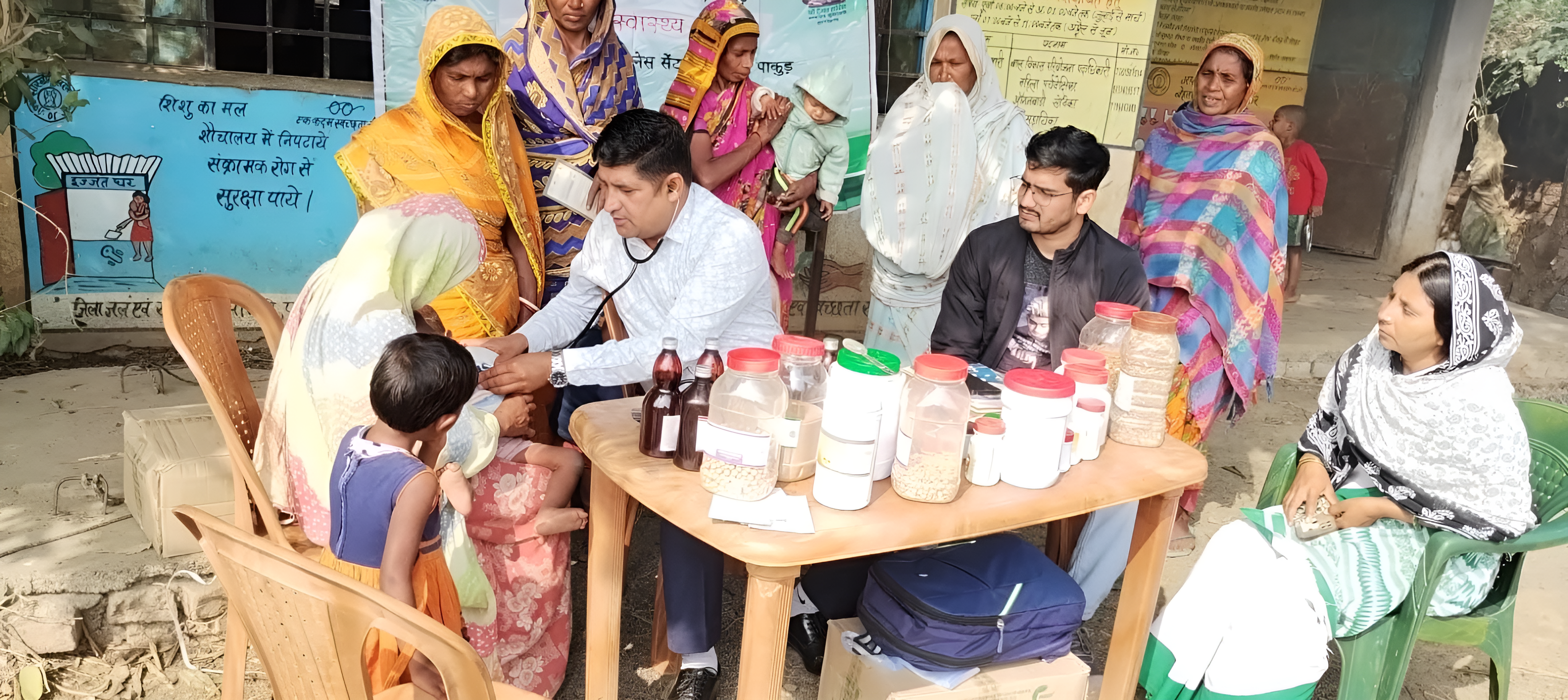 16 June
Free Health Cheukup Camp
Free health check up orgasined for the tribal community in jungle of Plamu district.
Dhanwad


Our Projects

Education
Education empowers individuals with knowledge, skills, and values, fostering personal growth, critical thinking, and a better, more informed society.
Read More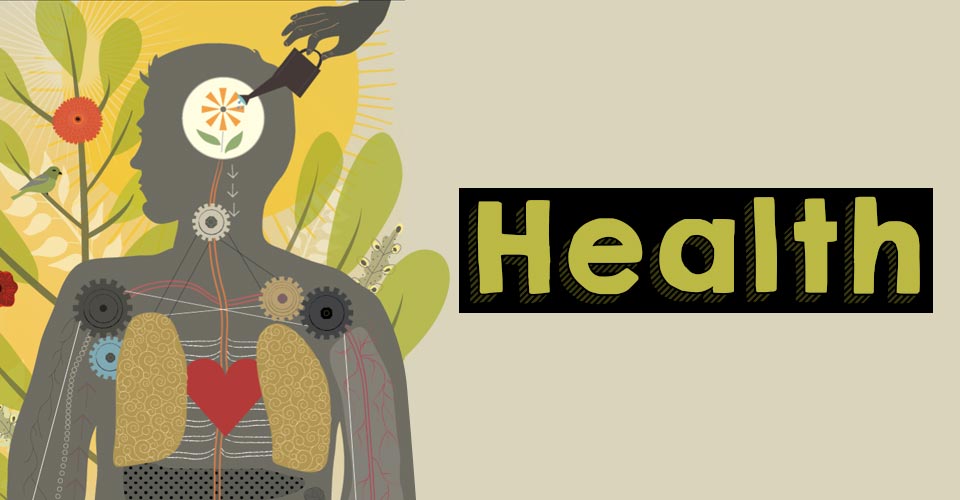
Health
Health is a state of physical, mental, and social well-being, essential for a productive, happy, and fulfilling lifeand dietary awareness for physical and mental well-being.
Read More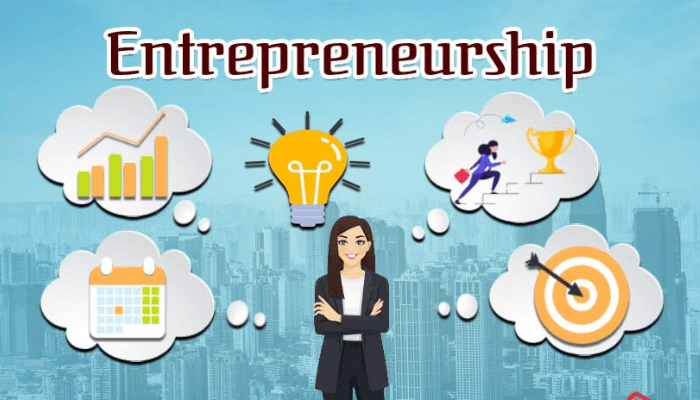
Entrepreneurship
Entrepreneurship is the process of creating, managing, and growing a business, driven by innovation, risk-taking, and the pursuit of opportunities.
Read More
Why We Need You Become a Volunteer
We help companies develop powerful corporate social responsibility, grantmaking, and employee engagement strategies.
No FAQs found for the Home page.
📋 Please Fill Your Form
Skilled Legal Professionals Dedicated to You

Abhijit Sharma
Project Head
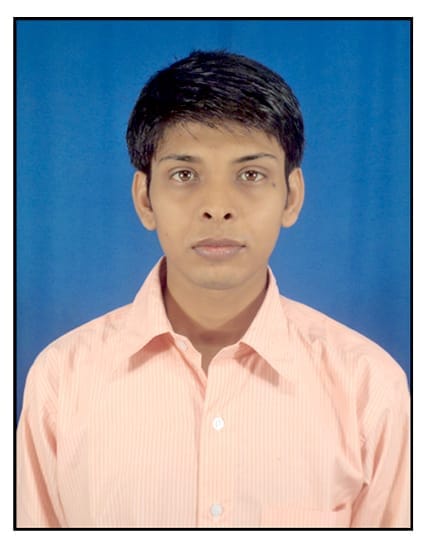
Tapas Kumar Arya
Project Manager

Sunil Kumar Arya
Project In Charge
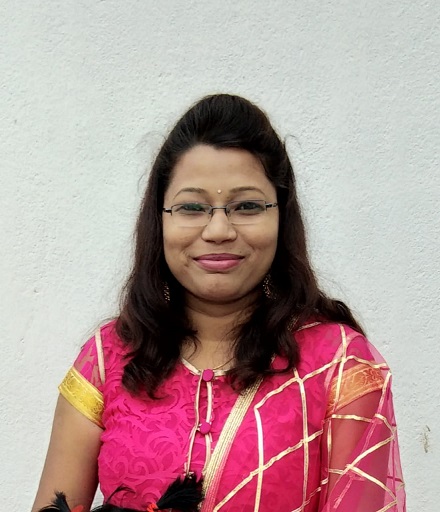
Sharwani Sharma
President
.jpg)
Subhash Chandra Arya
Managing Director
What They Are Talking About Charity
Testing

Amit
BeneficiaryTesting

Amit
Partnersjflajfkda alkjdfa

Elena M
Beneficiaryjaldjka jalja faek jfalkdjaj

hitesh Sharma
PartnersOur Partnerships

Corporate Partners
Corporate partners collaborate with businesses to provide resources, support, and mutual growth through strategic alliances, sponsorships, and shared objectives.
Read More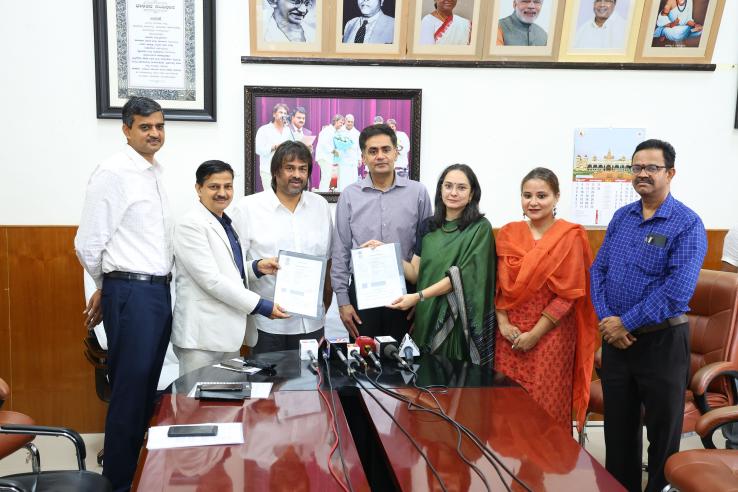
Government Partners
Government partners work with organizations to support public initiatives, provide funding, ensure regulatory compliance.
Read More
None Profitable Organization
Non-profit organizations focus on social causes, using donations and grants to serve communities without seeking profit, aiming for positive impact.
Read MoreRead Our Latest News
We help companies develop powerful corporate social responsibility, grantmaking, and employee engagement strategies.

Our Presence in India
We are actively working in states like Jharkhand, Bihar, West Bengal, and more, bringing meaningful change where it matters most. Explore our initiatives on the interactive map.